





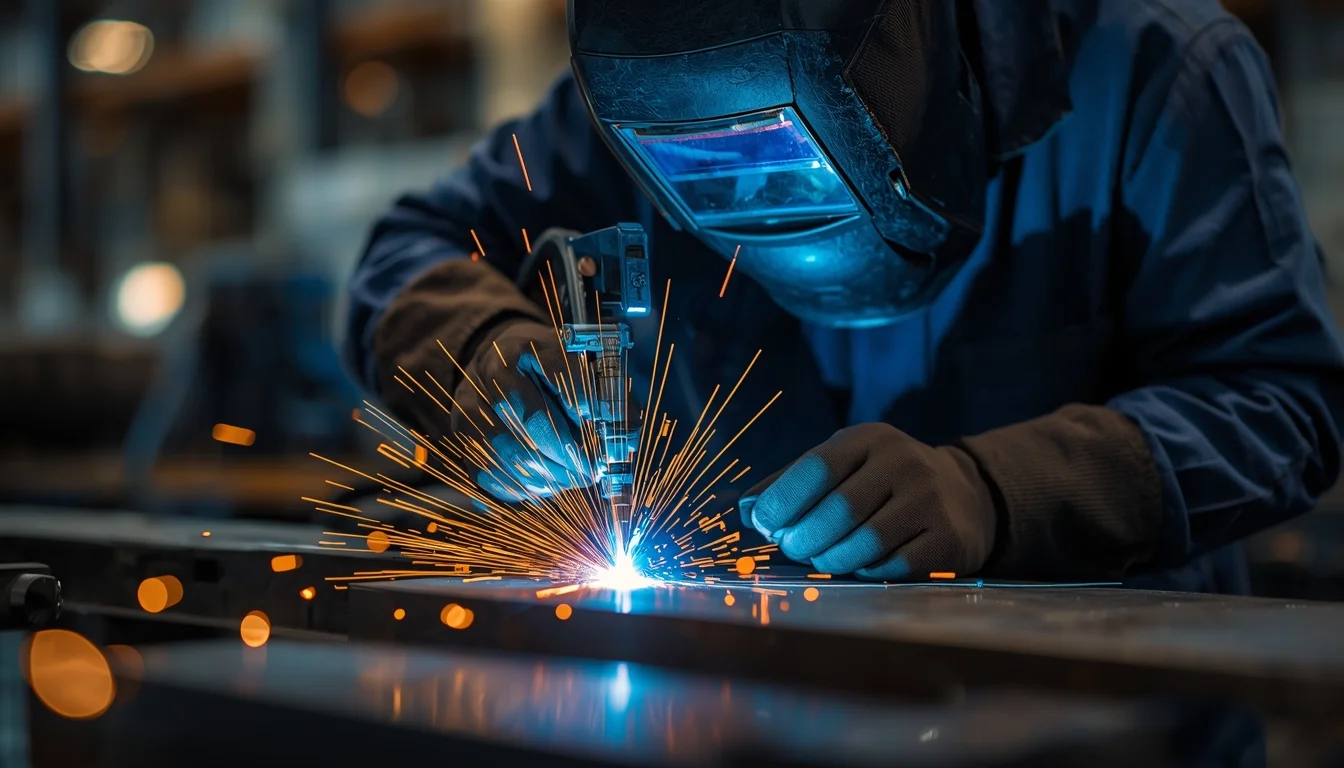
Gas Metal Arc Welding (GMAW) is widely recognized as one of the fastest and most reliable welding methods in modern industry. In this process, a welder uses a power source, a continuously fed consumable wire, and a shielding gas to fuse metal pieces together. The machine generates an electric arc, and that intense heat melts both the wire and the edges of the base metal. As the materials liquefy, the welder guides the torch along the joint, controlling the molten pool so the two pieces bond into a single, solid connection. Because this method delivers clean welds at high speed and adapts well to different metals and production needs, workshops and manufacturing plants rely on it heavily. From metal fabrication shops to automotive assembly lines, many industrial operations depend on GMAW to keep production moving efficiently.
Many professionals know Gas Metal Arc Welding (GMAW) simply as MIG welding. In practical terms, the process is straightforward: a welding machine melts a continuously fed wire electrode while a shielding gas protects the weld area, allowing a strong, clean joint to form.
Here’s what happens during the process:
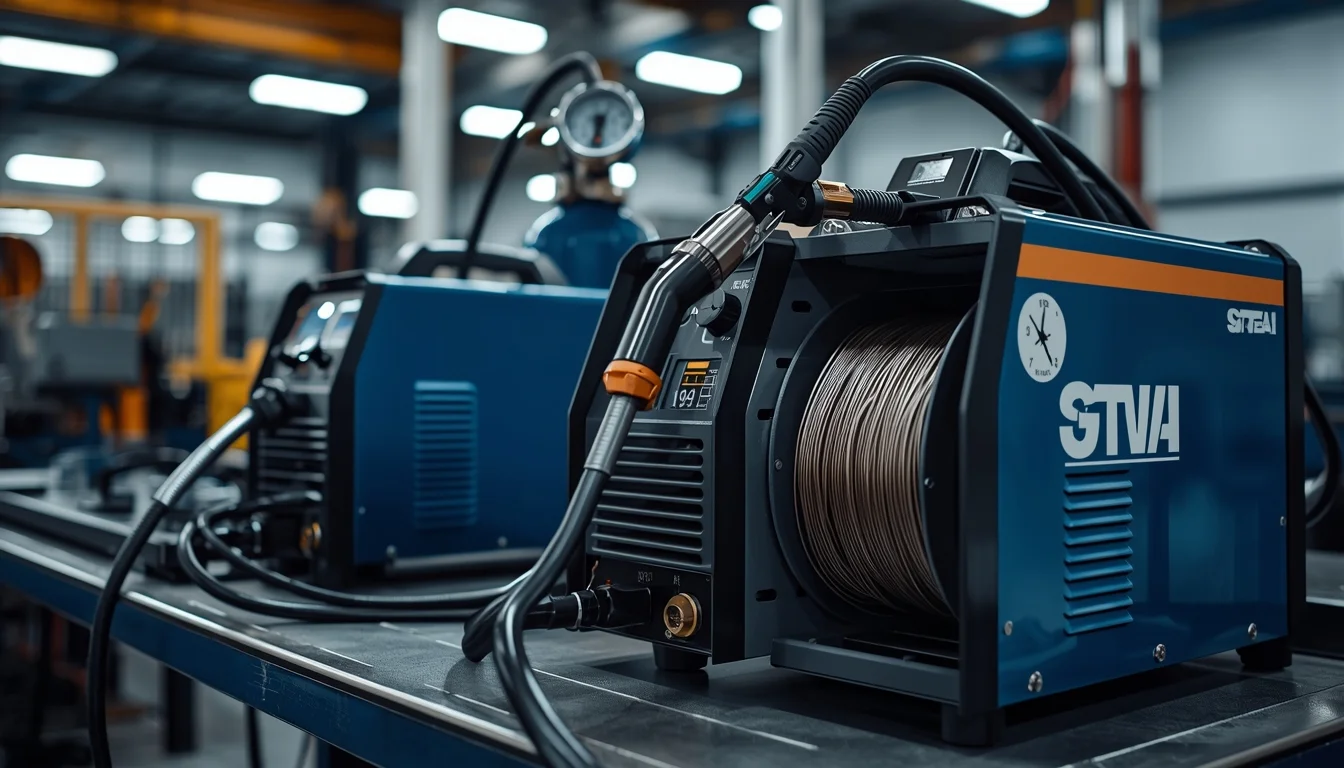
When working with GMAW, you are not dealing with just a single machine. The system includes several essential components, each playing a key role in weld quality and performance. A solid understanding of how these parts function allows the operator to fine-tune settings and produce stronger, more reliable welds.
The power source supplies the electrical energy needed to create the welding arc. The operator adjusts voltage and current settings from this unit to match the material and application. When the welder selects the correct amperage and voltage, the arc becomes more stable and the base metal melts more effectively, resulting in better fusion.
The wire feeder continuously delivers the consumable electrode wire to the weld joint. By adjusting the wire feed speed, the welder controls the deposition rate and overall weld profile. When the settings are balanced properly, the molten weld pool forms smoothly and consistently.
The welding torch is the handheld tool the operator uses to control the arc. It delivers the electrode wire, electrical current, and shielding gas simultaneously to the weld area. By adjusting the torch angle and maintaining proper distance from the workpiece, the welder can influence penetration, bead shape, and overall weld quality.
This component supplies the shielding gas that protects the molten weld pool from atmospheric contamination. The operator must regulate the gas flow rate carefully to ensure adequate coverage. Proper shielding prevents oxygen and nitrogen from entering the weld, which helps maintain strength and structural integrity.
In GMAW, the wire serves as both the electrode and the filler material. By selecting the appropriate wire type, the welder can control mechanical properties such as strength and ductility. Fabricators choose the wire based on the base metal composition and the requirements of the application.
Gas Metal Arc Welding (GMAW) is one of the most widely used welding processes in modern industry. Still, like any industrial method, it comes with both strengths and limitations. Understanding these pros and cons helps fabricators and welders decide whether GMAW is the right fit for a specific project. When the process is chosen wisely and set up correctly, it can significantly improve productivity and reduce errors.
One of the biggest advantages of GMAW is speed. Because the wire electrode feeds continuously, the welder can work without frequent stops. This steady operation makes the process highly efficient, especially in production environments.
Despite its advantages, GMAW is not ideal for every situation. For example, it is less suitable for outdoor work in windy conditions. Wind can blow away the shielding gas, exposing the weld pool to contamination and reducing weld quality.
In GMAW, shielding gas protects the molten weld pool from oxygen, nitrogen, and moisture in the air. Choosing the right gas directly affects penetration, weld appearance, spatter, and overall efficiency.
Mild Steel | Commonly welded using a mixture of argon and carbon dioxide. |
Stainless Steel | Often benefits from a tri-mix blend (typically argon, CO₂, and helium) for optimal arc characteristics and weld quality. |
Aluminum | Pure argon is generally used to achieve clean, efficient welds. |
As mentioned earlier, many modern industries rely on GMAW because it offers high productivity and dependable weld quality. This process allows operators to join various metal components efficiently in both manufacturing lines and construction projects. Below are four key industrial applications:
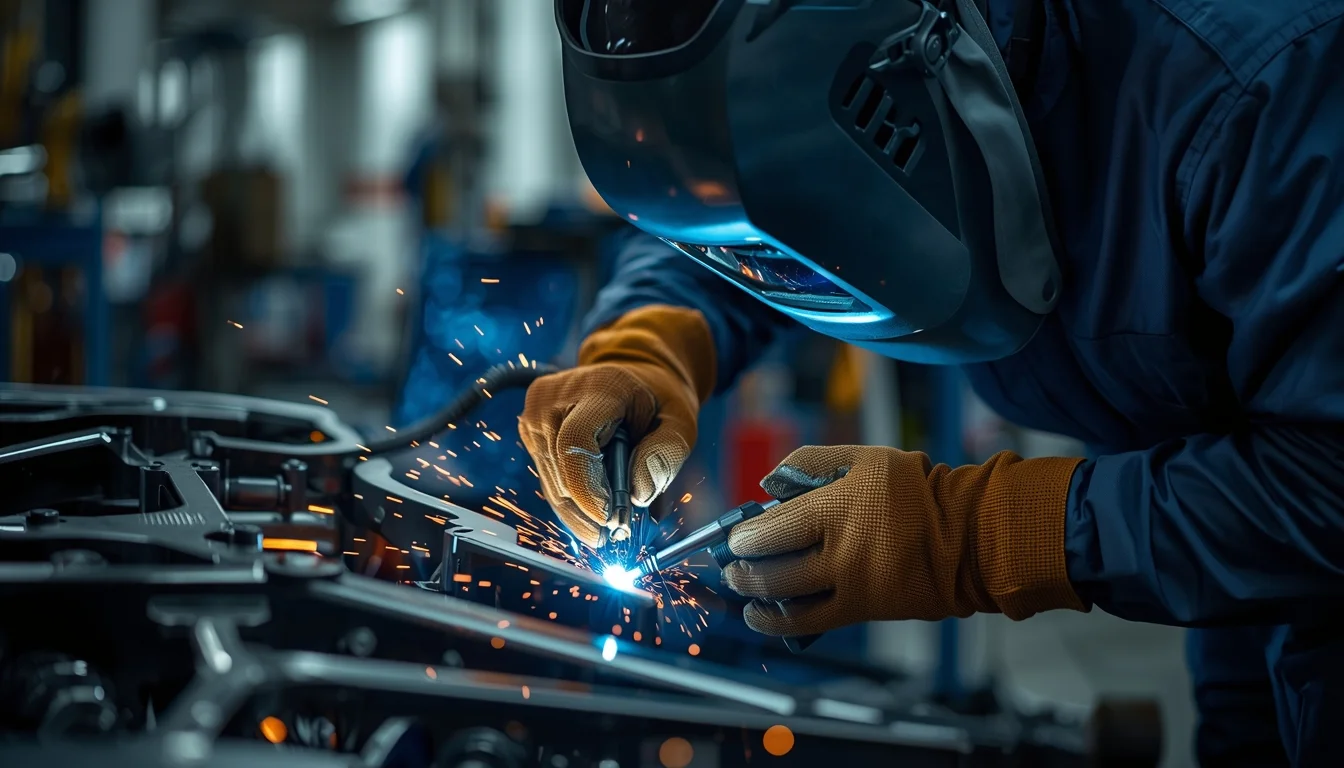
Automotive manufacturers use GMAW extensively to assemble vehicle body components. The process enables operators to produce uniform, durable welds while maintaining high production speeds—an essential factor in large-scale assembly lines.
In construction projects, welders use GMAW to join beams, columns, and structural steel elements. Engineers depend on this method to assemble strong, load-bearing metal frameworks with efficiency and consistency.
Operators in these sectors use GMAW to weld pipelines and industrial equipment. The process helps create joints capable of withstanding high pressure and elevated temperatures, which are critical in energy-related applications.
Shipyards and heavy machinery manufacturers apply GMAW to weld large steel components. The process allows welders to achieve deep penetration and durable welds in demanding, large-scale fabrication environments.
When a fabricator needs to choose the right welding process, they often compare GMAW with TIG and SMAW. Each method has its own strengths, and the best choice depends on the material, thickness, working environment, and production goals.
In TIG welding, the operator uses a non-consumable tungsten electrode and usually adds filler metal separately by hand. This method gives the welder exceptional control and precision, which makes it ideal for thin materials and applications where appearance matters—such as aerospace components or high-end fabrication work.
However, TIG welding is generally slower because the welder must carefully coordinate torch control and filler addition at the same time.
With GMAW, the process becomes more streamlined. The machine feeds the wire automatically, allowing the welder to focus on torch movement and joint control. This increases productivity and makes GMAW more suitable for manufacturing environments where speed and efficiency are priorities.
In SMAW, the welder uses a flux-coated stick electrode and must replace it once it is consumed. The equipment setup in Stick Welding is simpler, and the process performs well outdoors because it does not rely on an external shielding gas in the same way GMAW does.
On the other hand, GMAW typically produces cleaner welds with less slag. The operator can complete joints faster, and post-weld cleanup is usually reduced. For indoor fabrication shops and production lines, GMAW often delivers better efficiency and consistency.
To achieve professional results with GMAW, welders should focus on proper technique, equipment control, and process optimization. Below are five essential and practical tips that can significantly improve weld quality and consistency:
Proper parameter settings are critical. Voltage and wire feed speed must be balanced to maintain a stable arc and consistent metal transfer. Incorrect settings can lead to excessive spatter, poor penetration, or arc instability.
Keep the electrode stick-out typically between 1/4 to 3/8 inch (6–10 mm). Excessive stick-out reduces arc stability and penetration. Maintain a torch angle of about 10–15 degrees in the direction of travel to improve gas coverage and bead appearance.
When welding aluminum, a spool gun improves wire feeding reliability. Because aluminum wire is soft, feeding it through a long liner can cause tangling. A spool gun positions the wire close to the arc, improving stability and control while reducing feeding problems.
Short-circuit transfer (low-voltage mode) is ideal for thin metals. The wire briefly contacts the base metal, creating controlled short circuits that lower heat input. This reduces the risk of burn-through and distortion.
Shielding gas flow must be properly adjusted—typically around 20–30 CFH in standard conditions. Too little gas can cause porosity, while excessive flow may create turbulence and reduce shielding effectiveness.