






When clean welds and full control really matter, TIG welding is the process you need to know. TIG (Gas Tungsten Arc Welding – GTAW) is one of the most precise welding methods used today, especially for thin materials and sensitive components. In this process, the arc is created by a non-consumable tungsten electrode, while argon shielding gas protects the weld pool from contamination, allowing the metal to melt cleanly and consistently. The result is a smooth, uniform, and highly controllable weld, which is why TIG welding is widely used in industries such as medical equipment, food processing, aerospace, and stainless steel fabrication. level of precision comes at a cost—it requires a higher level of skill and experience, making TIG the tool of choice for professional welders rather than beginners.
If you’ve ever stepped into a real workshop, you’ve probably heard this sentence more than once:
“Bring the argon machine.”
That’s exactly where the name argon welding comes from. Officially, the process is called TIG welding (Tungsten Inert Gas welding), but in practice, welders name it after the gas that makes everything possible. Argon acts like an invisible shield, surrounding the weld pool and protecting it from oxygen, moisture, and contamination. Without that protection, the clean, precise welds Argon Welding is famous for simply wouldn’t exist.
At the heart of TIG welding is a non-consumable tungsten electrode. Unlike Stick welding or MIG, the electrode doesn’t melt into the joint. Its only job is to create a stable, controllable arc. If filler metal is needed, it’s added separately and by hand—giving the welder complete control over heat input, weld shape, and penetration.
This combination of a stable tungsten arc and argon shielding is what makes TIG welding so precise. The heat goes exactly where it’s needed, the weld pool stays calm and clean, and the final result is smooth, uniform, and highly controlled. That’s why TIG welding is the go-to method for stainless steel, aluminum, and other sensitive materials—especially in industries where quality matters more than speed.
In real-world Argon Welding welding, everything revolves around operator control. Once the machine is switched on, an arc forms between the tungsten electrode and the workpiece, creating a small, precise weld pool. If filler metal is required, the welder manually adds it—slowly and deliberately—unlike processes such as MIG welding where wire feed is automatic. This separation between arc generation and filler metal is the main reason TIG welding delivers such high precision. It allows full control over heat input, melting speed, and filler addition, which is essential when working with stainless steel, aluminum, and other heat-sensitive metals.
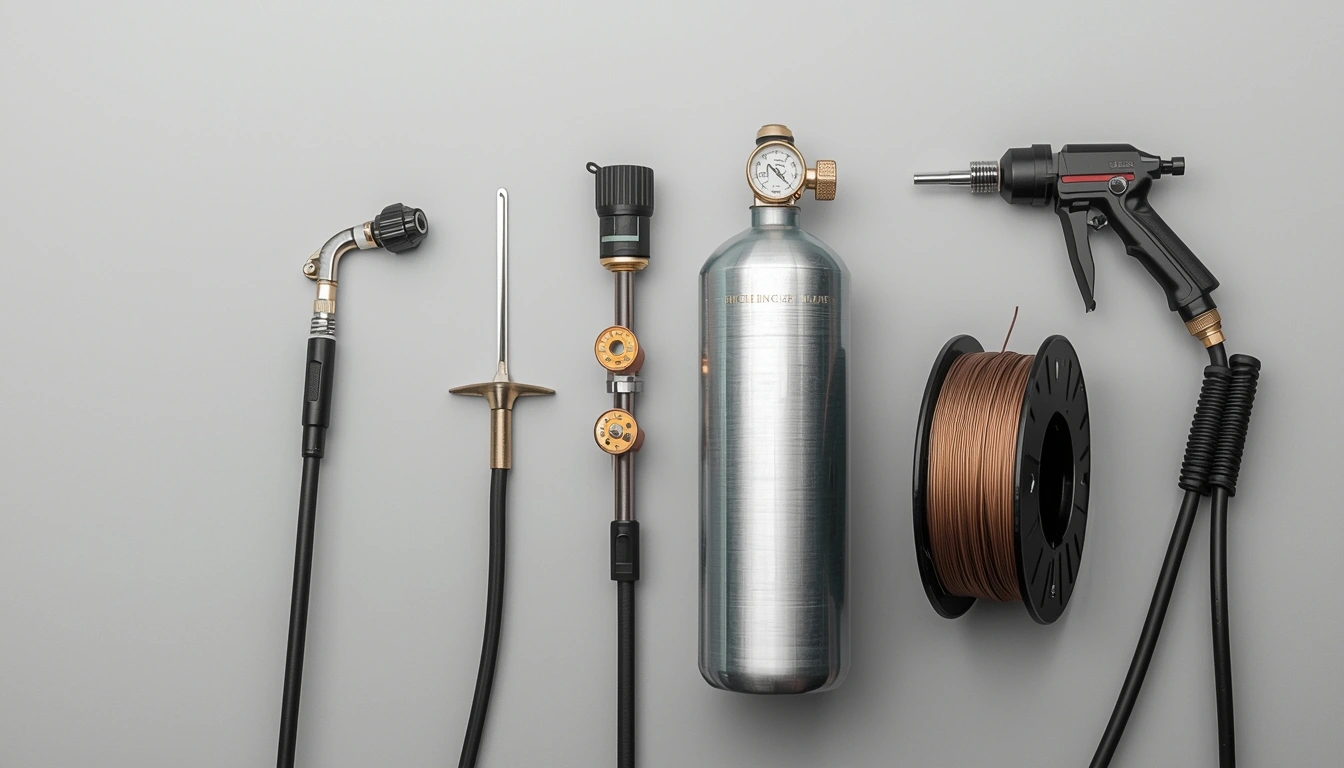
To put it simply, TIG welding doesn’t rely on strange or overly complex tools—it just needs every component to work precisely and in harmony. The final weld quality in TIG welding is directly tied to these core elements:
TIG Torch: This is the heart of the process. The torch holds the tungsten electrode and directs the argon shielding gas exactly where the weld pool forms. Its design keeps the arc stable and gives the welder full control over the weld.
Tungsten Electrode (Non-Consumable): Tungsten doesn’t melt; it only creates and maintains the arc. That’s what makes the arc clean, stable, and highly controllable. The choice of tungsten type (pure, thoriated, lanthanated, etc.) has a major impact on weld quality.
Shielding Gas (Usually Argon): Argon protects both the molten weld pool and the tungsten tip from air, oxygen, and contamination. Without proper shielding gas coverage, even the most skilled welder can’t produce a clean TIG weld.
Filler Rod (When Needed): Unlike MIG welding, filler metal in TIG is added manually. This gives the welder full control over how much filler is introduced and how the final bead is shaped.
Power Source: As Miller explains, a TIG power source must deliver a stable, adjustable current (AC or DC). Precise current control is especially critical when welding aluminum and stainless steel.
Before deciding on TIG welding, it’s important to know where this process truly shines—and where other methods might be a better fit. Argon Welding is precise and refined, but it’s not designed for every job.
If we want to keep it simple, Stick welding is like a multi-purpose wrench—it works almost anywhere, especially in workshops, outdoor conditions, and heavy structural projects. It’s tough, forgiving, and reliable when speed and adaptability matter more than appearance. TIG welding, on the other hand, is more like a surgical instrument: precise, clean, and designed for jobs where weld quality, control, and visual finish matter far more than speed.
In real-world terms, when the environment is harsh or productivity is the top priority, Stick welding is usually the smarter choice. But when accuracy, smooth weld beads, and heat control are critical, TIG clearly takes the lead.
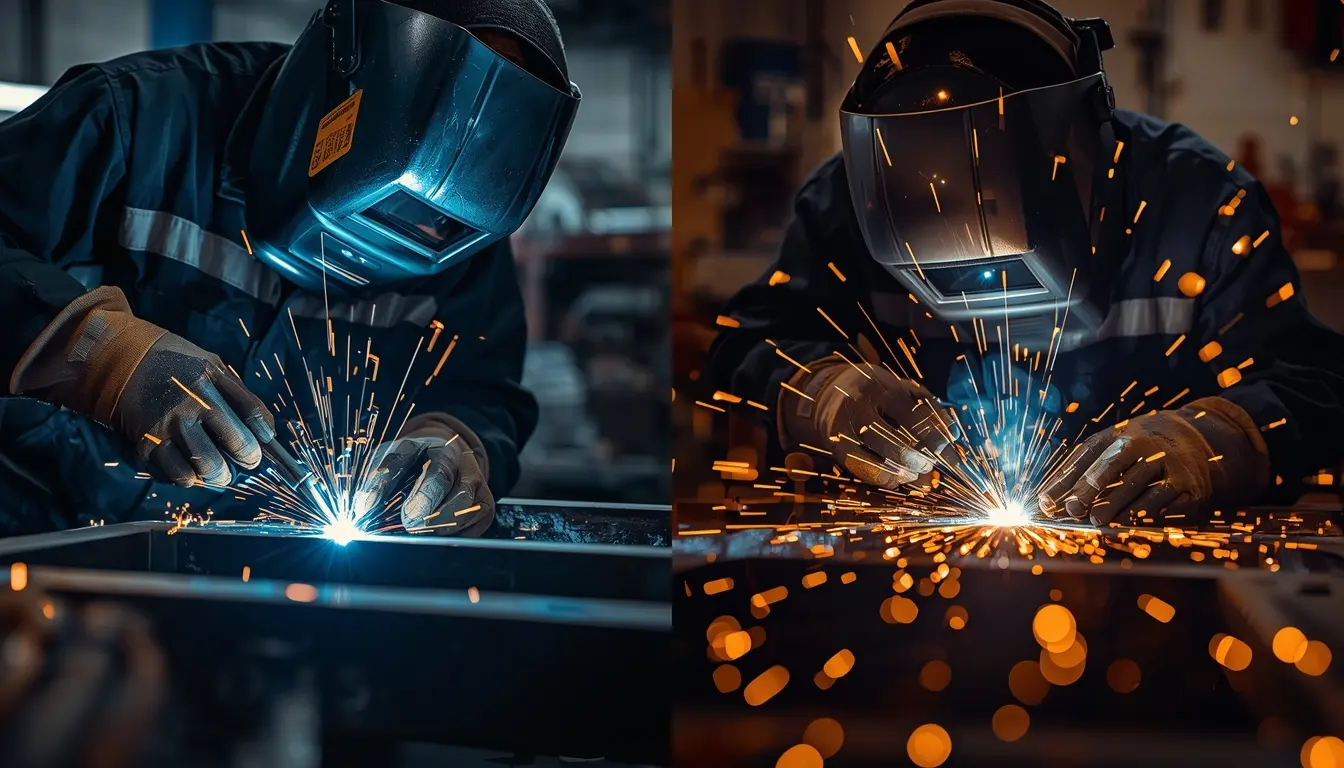
At first glance, TIG welding and Plasma welding may look very similar—both use a tungsten electrode, inert gas shielding, and are known for clean, high-quality welds. But once you get closer, their behavior and applications start to differ in important ways.
1. The main difference lies in arc control. In TIG welding, the arc is open and spreads slightly, which gives the welder a high level of manual control but also makes the process more sensitive to hand movement. Plasma welding, however, forces the arc through a narrow nozzle, compressing it into a tight, high-energy column. This concentrated arc delivers deeper penetration, better stability, and more consistent results, especially on thin or precision parts.
2. Another key difference is precision and repeatability. Argon welding heavily depends on operator skill; small hand movements can change weld quality. Plasma welding is more forgiving and consistent, making it better suited for automation and repetitive industrial work, such as medical devices or aerospace components.
3. When it comes to material thickness, TIG performs best on thin to medium materials where appearance matters. Plasma welding can handle very thin sheets (micro plasma) and, in some cases, thicker materials using keyhole mode, achieving full penetration in a single pass.
Argon welding isn’t meant for every situation—but wherever weld quality, heat control, and a clean final appearance are essential, it truly shines. That’s why this method is far more common in precision-driven industries than in rough, heavy-duty construction work. let see 5 Common applications of TIG welding.